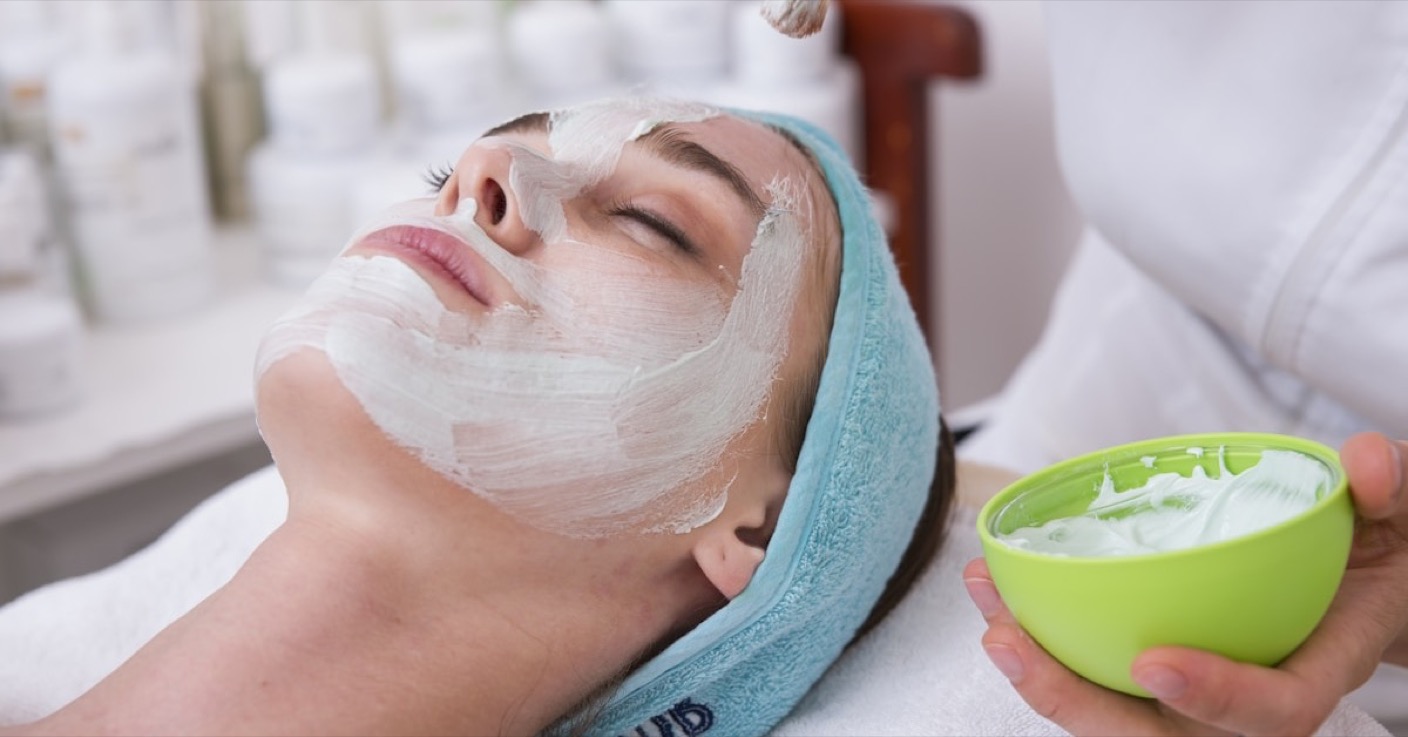
Panthenol B5 Mask Achieves 84% Healing Rate After Laser in 2025 RCT
Panthenol appears in an enormous range of skincare products. Shampoos, moisturizers, sunscreens, and recovery balms all commonly list it. That ubiquity, however, does not automatically mean the clinical evidence is robust. A 2025 double-blind randomized controlled trial addressed that gap, specifically evaluating panthenol in the context of skin barrier recovery after laser treatment.
Study Design: Post-Laser 14-Day Follow-Up
The trial was conducted at Xijing Hospital, Air Force Medical University, and published in the Journal of Cosmetic Dermatology. Sixty participants who received dual-wavelength non-ablative fractional laser treatment (1550 nm and 1927 nm) were divided equally into a mask group (MG) and a saline dressing control group (CG). Mean participant age was 39.0 years. Outcomes were measured at day 3, day 7, and day 14 post-treatment.
The mask formulation combined panthenol with centella asiatica extract (madecassoside) and bisabolol, three of the most clinically validated calming ingredients currently used in dermatological care.
Erythema Index: Significant Difference by Day Three
Erythema is the most visible post-laser response, representing localized inflammatory activity. Lower erythema index readings mean faster stabilization. At day three, the erythema index was 19.15±4.90 in the control group versus 16.25±4.75 in the mask group (p<0.05). A statistically significant difference emerged in just three days, suggesting panthenol meaningfully suppresses early inflammatory response. The gap persisted at day seven and day fourteen.
TEWL and Stratum Corneum Hydration
Transepidermal water loss (TEWL) measures how much moisture escapes through the skin’s outer layer. Post-laser procedures temporarily compromise the skin barrier, raising TEWL. Across all three timepoints (D3, D7, D14), the mask group showed significantly lower TEWL than controls.
Stratum corneum hydration was consistently higher in the mask group at all measurement points. The research demonstrates that while skin naturally recovers after laser treatment, panthenol application meaningfully accelerates that process.
Overall, 84% of patients experienced improved skin healing, and over 96% rated the mask’s effectiveness as good or excellent.
How Panthenol Works in Skin
Panthenol is a provitamin of B5 (pantothenic acid). After absorption into skin, it converts to pantothenic acid, which becomes a precursor to Coenzyme A (CoA), essential for fatty acid metabolism and cellular energy production. From the skin cell’s perspective, panthenol activates a fuel supply pathway needed for active repair.
It also exerts direct anti-inflammatory and antioxidant effects. Panthenol promotes keratinocyte migration and proliferation, accelerating re-epithelialization, the process of covering an injured area with new skin cells. Research additionally supports its role in stimulating fibroblast collagen production. These are the reasons panthenol appears so consistently in post-procedure care formulations.
Allergic Contact Dermatitis: A Low-Frequency Caveat
Alongside this efficacy study, 2025 also brought a published case series documenting panthenol allergic contact dermatitis. While incidence is low, panthenol’s widespread use across cosmetics, wound care products, eye drops, and nasal sprays means exposure is high. Dermatology clinics with patch-testing protocols may consider adding it to standard screening. For the general population this reaction is uncommon, but worth knowing as a variable if repeated localized irritation appears in areas of frequent application.
Practical Guidance
Panthenol performs best when the skin barrier has been recently disrupted: after laser or resurfacing procedures, after aggressive exfoliation, or in environmental conditions where barrier function is weakened. Standard cosmetic concentrations range from 2% to 5% in creams and lotions. Dexpanthenol is the lipophilic form that absorbs more readily.
Panthenol pairs well with niacinamide, ceramides, and hyaluronic acid, addressing barrier repair through complementary pathways. When introducing irritating actives such as retinol or acids, panthenol serves as a meaningful buffer during the adaptation window.
A routine ingredient. But as of 2025, a well-evidenced one.