MaryRuth's Targets Ingestible Skin Category as Beauty-From-Within Sales Grow 17.3%
Skin care is no longer only what you apply. The understanding that what you eat, how you sleep, and how you manage stress all shape your skin has pushed the beauty-from-within category into rapid growth. US supplement brand MaryRuth’s is moving directly into this space.
17.3% Year-on-Year Growth
Industry data shows that ingestible beauty supplement sales are growing at 17.3% year-on-year. The category encompasses antioxidant blends, skin-support vitamins, and collagen complexes. Several forces are converging: consumers who recognize the limits of topical products alone, a wellness culture that no longer separates health from beauty, and an information environment where clinical research is more accessible than ever.
MaryRuth’s has built a recognized brand across a wide range of health supplements for both children and adults in the US market. Entering the ingestible beauty category is a natural expansion toward an existing loyal customer base now interested in skin-focused supplementation.
Collagen Remains the Category’s Foundation
The most widely used ingredient in ingestible beauty is collagen. This reflects both consumer familiarity and the depth of clinical research. Collagen accounts for roughly 7080% of the dry weight of skin. After the age of 30, the body’s collagen production declines at approximately 11.5% per year. This is one of the primary drivers of reduced skin elasticity and wrinkle formation.
The market extends well beyond collagen, however. Hyaluronic acid, biotin, astaxanthin, grape seed extract, and zinc are among the ingredients establishing themselves as skin-support supplements. Brands are increasingly bundling these into multi-ingredient formulas.
The Prove It Era Raises the Bar
Rapid market growth does not mean easy competition. It means the opposite. As consumers begin demanding clinical data, brands are entering what the industry describes as the “prove it” era. Unsupported functional claims carry regulatory risk, and products without clinical backing struggle to earn trust.
This is also reshaping ingredient sourcing. Patented actives, clinical study support, and transparent ingredient traceability are becoming standard evaluation criteria. For brands, clinical research investment has moved from optional to necessary.
Format Innovation Is a Real Differentiator
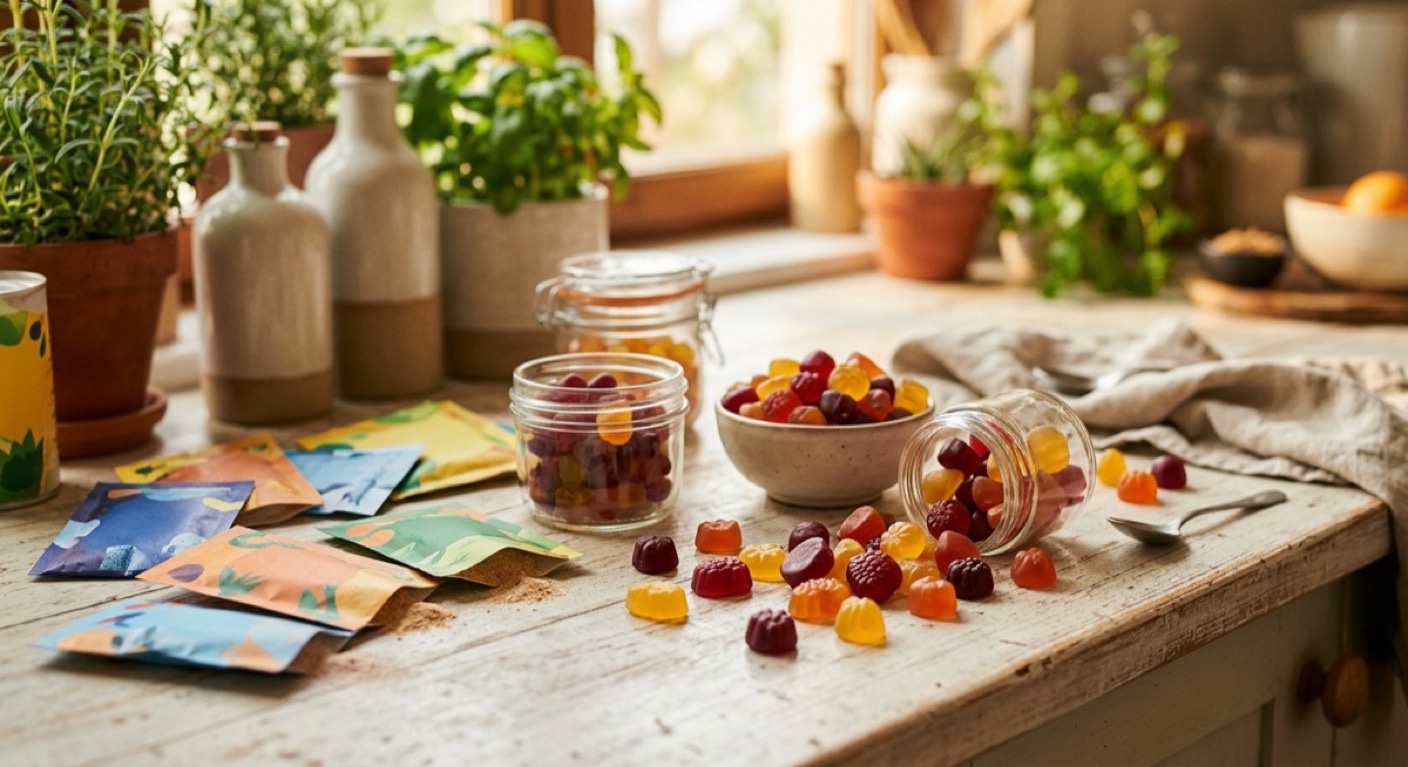
Beyond ingredient selection, the ingestible beauty market is evolving in format. Capsules and tablets are giving way to powders, ready-to-drink formats, and gummies. Younger consumers prefer to experience their supplements rather than simply take them. Dissolvable powders mixed into a morning drink or flavored gummies are creating new usage habits that reinforce daily compliance.
MaryRuth’s already has experience across liquid vitamins and varied formats in its existing lineup. That operational fluency in format diversity is an asset as the brand enters ingestible beauty.
A Note on How Ingestible and Topical Work Together
Ingestible beauty supplements support what topical products cannot fully reach: the cellular metabolism behind collagen production, antioxidant defense systems, and the hydration infrastructure built in the dermis. They do not replace topical skincare. Sunscreen still blocks UV at the surface. Topical moisturizers still address the barrier directly. The synergy of both approaches, internal and external, is the more complete picture of modern skin health.
Frequently Asked Questions
Why is the ingestible beauty supplement market growing so fast? Consumer understanding of skin health has shifted from outside-in to inside-out. Concerns about collagen decline and cellular aging are driving interest in supplements that work from within. Younger, health-conscious consumers no longer separate skincare from their broader wellness routines.
Which ingredients are most widely used in beauty supplements? Collagen peptides remain the most used nutricosmetic ingredient globally. Other common actives include hyaluronic acid, antioxidant vitamins C and E, biotin, and astaxanthin. Multi-ingredient complexes are increasingly preferred.
What does the ‘prove it’ era mean for brands? It means differentiation through clinical data and patented ingredients rather than marketing copy. Clinical research investment has become a competitive requirement as consumer expectations and regulatory standards both rise.