Spermidine Inhibits 9 of 12 Hallmarks of Aging Through Cellular Self-Cleaning
Spermidine is a naturally occurring polyamine (a nitrogen-containing organic compound) present in every living cell. Its most critical function is activating autophagy, the process by which cells break down and recycle their own damaged proteins and organelles. A Nature Aging review classified spermidine as a geroprotective compound, noting it inhibits 9 of the 12 recognized hallmarks of aging.
Why cellular self-cleaning matters
Autophagy efficiency declines with age. Damaged proteins accumulate inside cells, mitochondrial function deteriorates, and the consequences manifest as skin aging, cognitive decline, and cardiovascular deterioration. Spermidine reactivates autophagy to slow this cascade. While fasting remains the most potent autophagy trigger, spermidine stimulates similar pathways without caloric restriction.
Multi-system effects in animal studies
A 6-month mouse study demonstrated that spermidine supplementation attenuated age-associated phenotypes. Hair loss was reduced, cardiac function was preserved, and cognitive test performance improved compared to controls. Collagen production stimulation was also observed.
In human studies, cognitive function improvement has the strongest data, while cardiovascular health and hair growth show positive signals. However, no human clinical trial has directly proven lifespan extension.
2026 US combination trial
A US clinical trial launched in 2026 is testing spermidine combined with exercise and anti-inflammatory agents. This multi-intervention approach aims to measure healthspan rather than relying on a single compound. Once completed, it will provide a more precise assessment of spermidine’s real-world contribution to healthy aging.
Food sources and supplements
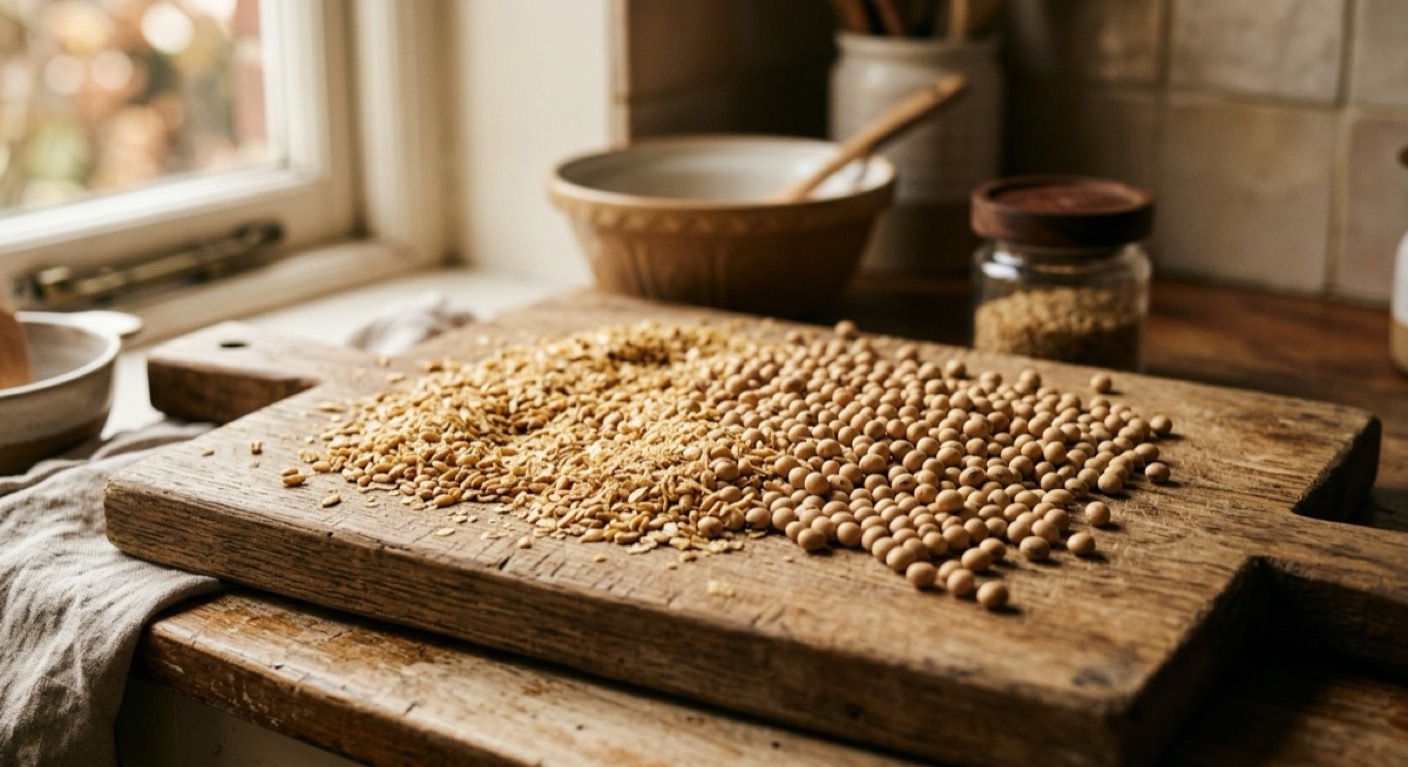
The richest food source is wheat germ, containing approximately 243mg per kilogram. One to two tablespoons (about 10g) mixed into yogurt or cereal delivers a meaningful amount daily. Aged cheeses (Parmesan, cheddar), mushrooms, soybeans, and green peas are also significant sources.
Supplements are typically wheat germ extract-based, with clinical doses ranging from 1 to 6mg per day. Compared to dietary intake, supplements offer a more bioavailable concentrated form. Consistent use over 3 to 6 months is the general approach for cumulative effects.
Who benefits most
For women over 40, activating autophagy supports skin elasticity, hair health, cognitive function, and cardiovascular health through a single pathway. If intermittent fasting or regular exercise is already part of the routine, spermidine complements these practices. When fasting is impractical, securing dietary sources is a realistic first step.
FAQ
Q. Where can I get spermidine from food?
Wheat germ has the highest concentration at approximately 243mg per kilogram. Aged cheeses like Parmesan and cheddar, mushrooms, soybeans, and green peas are also rich sources. Supplements are typically wheat germ extract-based, with clinical doses ranging from 1 to 6mg per day.
Q. Can autophagy be activated without fasting?
Yes. Spermidine is one of the most studied compounds that induces autophagy without requiring caloric restriction. While intermittent fasting of 16 hours or more and high-intensity exercise remain the strongest autophagy triggers, spermidine offers a complementary pathway.
Q. Does spermidine affect skin and hair?
In a 6-month mouse study, spermidine supplementation attenuated age-related hair loss. Collagen production stimulation has also been reported. When autophagy is activated, damaged cellular components are replaced, helping maintain the function of skin and hair follicle cells.