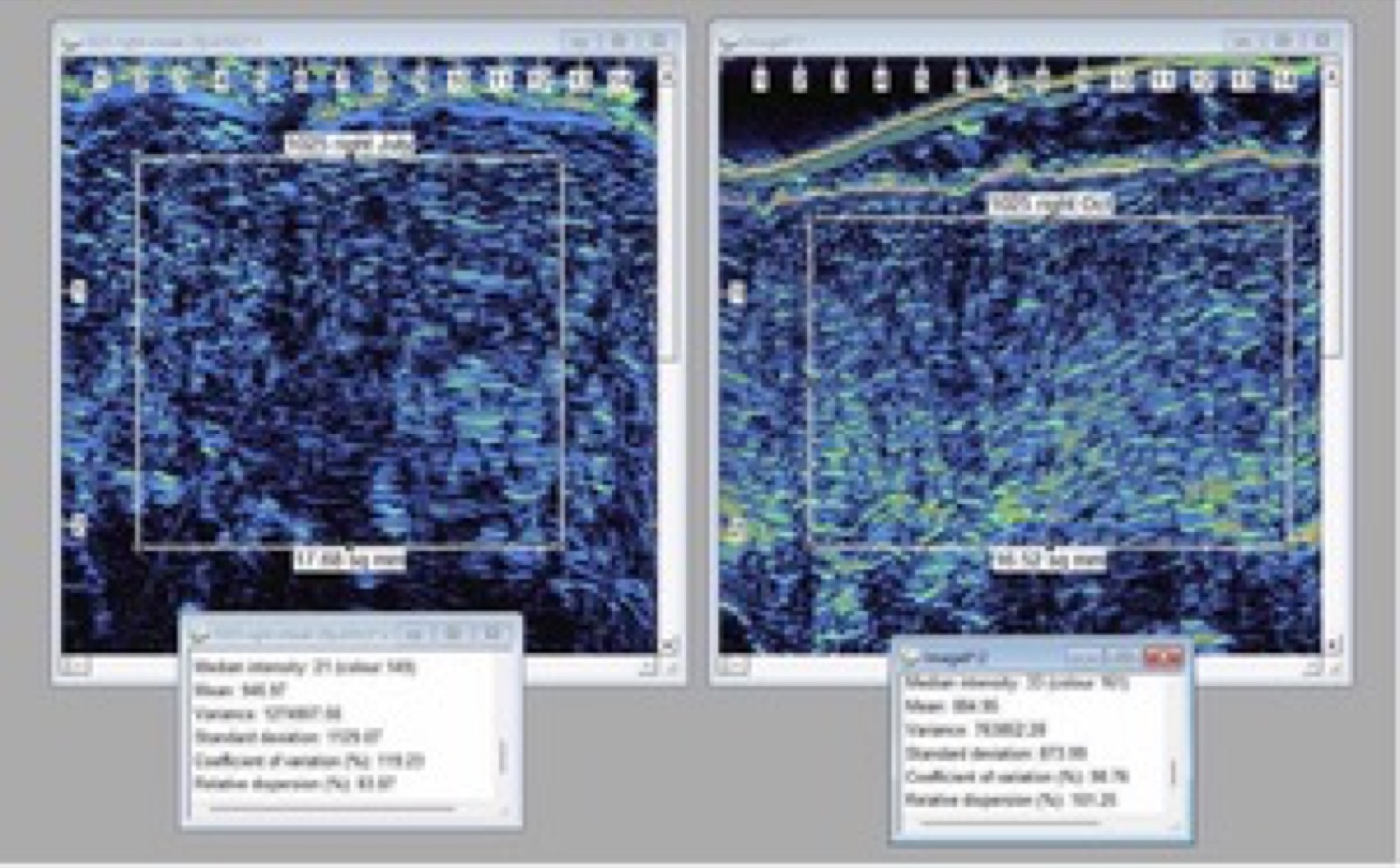
GHK-Cu Copper Peptide: 28% Average Collagen Increase in 21 Women Over 3 Months
GHK-Cu (copper tripeptide) has accumulating clinical data for significant skin collagen increase. A trial of 21 women applying GHK-Cu topical gel daily for 3 months showed 28% average collagen increase, with the top quartile at 51%.
What GHK Tripeptide Is
GHK is a tripeptide of glycine-histidine-lysine. Present naturally in blood, 20-year-old blood GHK is ~200 ng/mL, declining to 80 ng/mL in the 60s.
GHK has strong affinity for copper ions (Cu²⁺), forming GHK-Cu complexes that participate in extracellular matrix (ECM) remodeling, wound healing, and tissue regeneration.
71-Woman Facial Trial
A 71-woman 12-week trial with GHK-Cu face cream showed:
- Improved skin laxity
- Enhanced clarity and appearance
- Reduced fine lines and wrinkle depth
- Increased skin density and thickness
- Increased Type I collagen production
Measurable structural changes in mild-to-moderate photoaged skin.
Unique Mechanism: Epigenetic Regulation
GHK-Cu’s distinctive feature is epigenetic regulation. It alters expression of 4,000+ genes, particularly activating wound healing and tissue regeneration genes.
Compared with other peptides:
- Matrixyl (palmitoyl pentapeptide): collagen synthesis signaling
- Argireline (acetyl hexapeptide): muscle contraction inhibition
- Copper peptide (GHK-Cu): epigenetic reprogramming
GHK-Cu regulates entire gene expression patterns, not specific protein pathways.
Action Domains
- Collagen: Type I, III increase
- Elastin: elasticity fiber reinforcement
- Glycosaminoglycans (GAG): hydration molecules like HA
- Angiogenesis: new microvasculature
- Fibroblast function: cellular activation
- Wound healing: scar reduction, accelerated regeneration
How to Use
- Concentration: 0.05-2% GHK-Cu in topicals
- Timing: post-cleanse evening, before moisturizer
- Combines with: retinol, niacinamide (C separate)
- Caution: rare contact dermatitis. Patch test recommended
K-Beauty Positioning
In Korean skincare, GHK-Cu anchors premium anti-aging serums and creams. It’s common in cosmeceutical categories, and the 2025-2026 US market has seen a “copper peptide revival”.
Selection Criteria
- Stability: dark bottles, airless pumps to protect copper from oxidation
- Concentration: products specifying 0.1%+
- Pairings: separate from vitamin C (stability concerns) by timing
- Color: GHK-Cu itself is teal-blue but leaves no skin color change
GHK-Cu offers an understandable story (“topically replace a natural molecule that declines with age”) backed by 20+ years of clinical data. It complements oral collagen precursors in skin longevity routines.