Fisetin: Most Potent Senolytic Among 10 Flavonoids Tested
Fisetin is emerging as a new leader in late-2020s senolytic research. Confirmed as the most potent senolytic among 10 flavonoids in 2018, 220-person human trials are underway.
10-Flavonoid Comparison, Fisetin Ranks First
Mayo Clinic researchers compared 10 flavonoids (quercetin, fisetin, luteolin, apigenin, etc.), finding fisetin showed strongest senolytic activity. Chronic administration to mice late in life improved tissue homeostasis, suppressed age-related pathology, and extended median and maximum lifespan.
Unlike quercetin, fisetin works alone as a senolytic. This makes a major difference in consumer access. Fisetin is available OTC as a supplement.
220-Person Sepsis Trial
The largest ongoing human trial tests elderly sepsis prevention. A Phase 2 randomized double-blind adaptive allocation trial enrolls 220 participants over 65 in:
- Fisetin single oral dose 20 mg/kg
- Fisetin two oral doses 20 mg/kg (1-day apart)
- Placebo
The first large-scale attempt to evaluate whether senolytic therapy prevents clinical deterioration of acute inflammatory disease.
Knee Osteoarthritis Trial
A Phase 1/2 randomized double-blind placebo-controlled trial evaluating fisetin for knee osteoarthritis completed. Since joint senescent cell accumulation is core osteoarthritis pathology, fisetin’s potential for cartilage protection and joint pain reduction is proposed.
Alzheimer’s Risk Single-Arm Trial
A single-arm trial in Alzheimer’s-risk seniors evaluates dasatinib + quercetin + fisetin combination senolytic therapy for safety and preliminary effect.
Fisetin’s Other Actions
Beyond senolytic effects, fisetin has multi-layered biological activities:
- Antioxidant: potent free radical scavenging
- Anti-inflammatory: NF-κB pathway inhibition
- Neuroprotective: BDNF increase, cognitive improvement
- Metabolic regulation: insulin sensitivity improvement
- Anti-cancer: growth inhibition in cancer cell models
This multiple action positions fisetin as supporting aging’s multiple axes simultaneously.
Dietary Sources
Fisetin-rich foods:
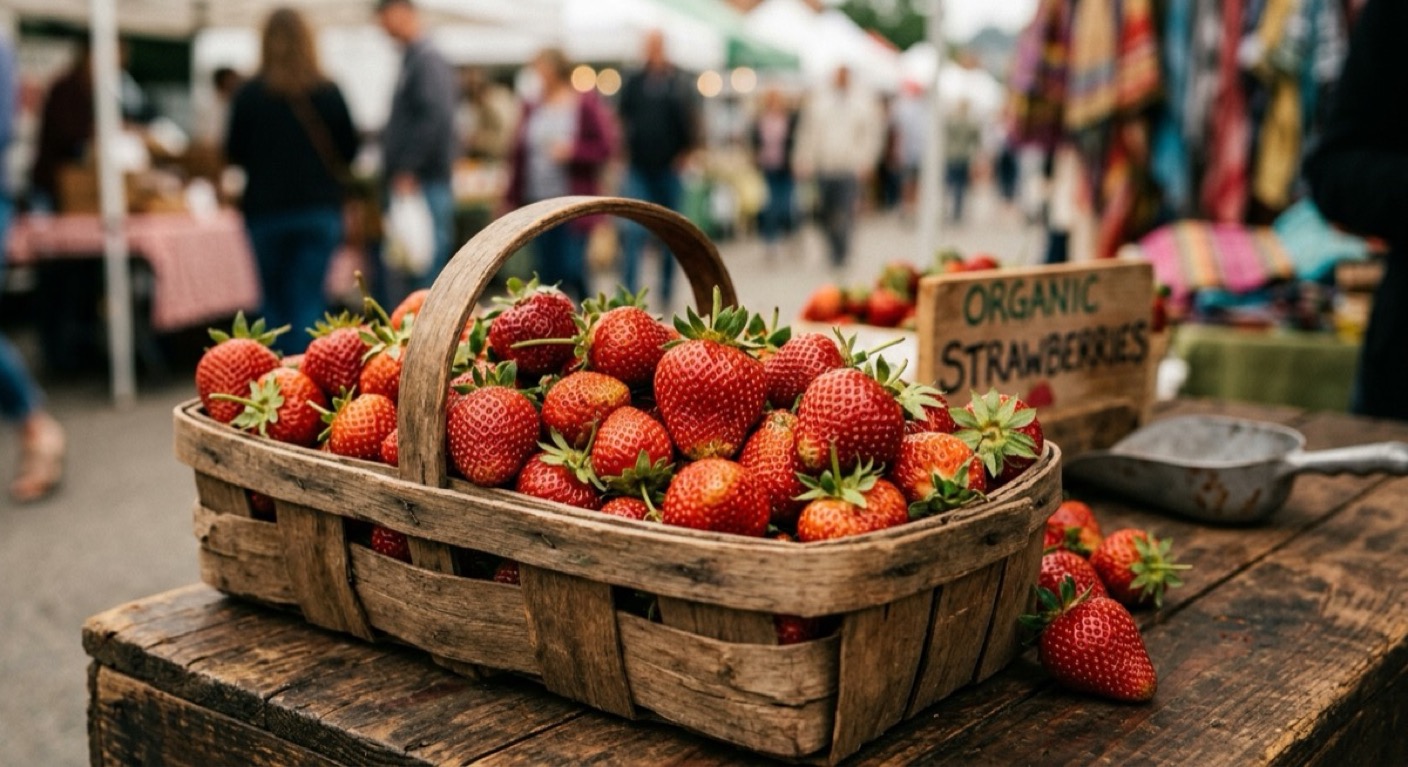
- Strawberries: 160 μg per 100 g (top)
- Apples (with peel): 27 μg
- Persimmons: 11 μg
- Kiwi: 2 μg
- Onions: 5 μg
- Grapes: 4 μg
- Cucumbers: 1 μg
Dietary fisetin is ~0.4 mg/day, hundreds of times below clinical doses. Daily strawberries can’t reach senolytic doses.
Intermittent Pulse Protocol
Senolytics’ unique dosing:
- Standard protocol: fisetin 100 mg, 2 consecutive days every 2 weeks
- Research high-dose: 20 mg/kg (60 kg body weight = 1,200 mg), 2-day dosing
- Timing: with fat-containing meal (fat-soluble)
Not daily dosing. Senescent cells take 2-4 weeks to reaccumulate, so intermittent pulses are most efficient.
Safety and Caution
Fisetin’s safety is relatively favorable, but:
- High-dose short-term: possible GI symptoms
- Anticoagulant combinations: potential interaction
- Pregnancy/lactation: limited data, avoid
- Dialysis/chronic kidney disease: clinician consultation
2026 Outlook
Fisetin’s position is “research stage but consumer-accessible senolytic”. As ongoing human trials release results in 2026-2027, it’s likely to establish itself as the flagship senolytic supplement.
One of the practical entry ingredients for treating aging as “an intervenable biological process”.