Exosomes Outperform Retinol by 7.2x on Wrinkles, 17x on Pigmentation in Korean 8-Week Trial
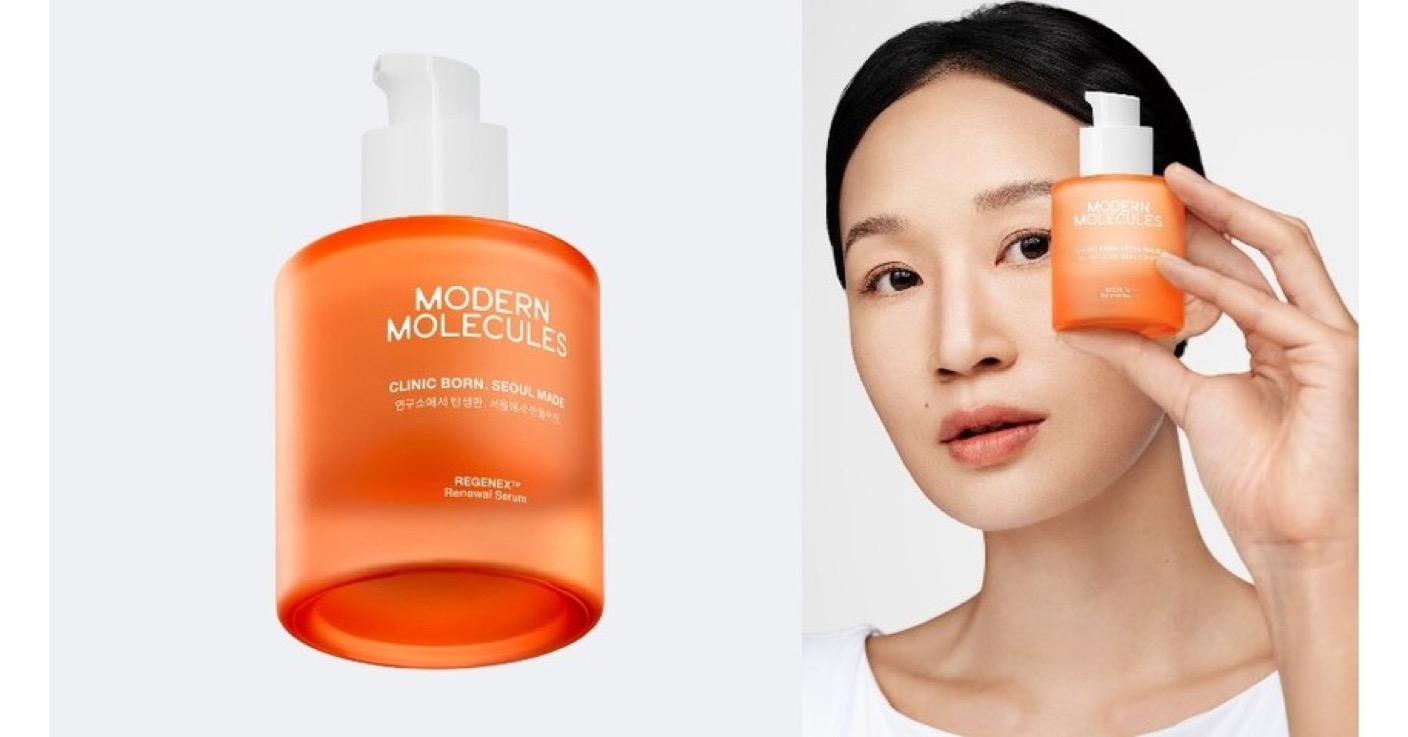
At the center of K-beauty in 2026 is exosomes. A clinical trial by the Korean Skin Research Centre using REGENEX Renewal Serum reported 7.2x retinol’s effect on wrinkle reduction and 17x on pigmentation after 8 weeks of use. It marks the symbolic moment when exosomes moved from supporting ingredient to lead actor in skincare.
What Exosomes Are
Exosomes are naturally produced extracellular vesicles 30-150 nanometers in size. Cells use them as communication tools, carrying proteins, growth factors, and genetic material like miRNA. Applied to skin, exosomes deliver multiple signals at once: regenerate, reduce inflammation, rebuild the barrier.
Where polynucleotides (PN) deliver a single-molecule signal, exosomes carry an entire message package. One application can stimulate multiple pathways (collagen synthesis, fibroblast activation, angiogenesis, melanin regulation) simultaneously, broadening the effective range.
Microneedling Combination Effect
Clinical data shows that exosome-augmented microneedling stimulates up to 3x more collagen than microneedling alone. Microneedling opens microchannels for exosome delivery to the dermis, and once there, exosomes signal fibroblasts to regenerate.
The fastest-growing treatment protocol in both US medspas and Korean dermatology practices since 2026 is this “exosome + microneedling” combination. Session pricing runs $600-1,500 in the US and 250,000-600,000 KRW in Korea.
Stability Breakthrough: From Refrigerator to Vanity
Exosome skincare’s long-standing problem was stability. As vesicles derived from living cells, they required refrigeration and had short shelf lives. In 2026, Korean brands Medicube and ExoCoBio solved this. Shelf-stable exosome serums and ampoules enabled mass-retail distribution.
Simultaneously, plant-derived exosomes (ginseng, lactobacillus ferment) emerged, sidestepping regulatory and ethical concerns around animal-cell sources. Plant exosomes are projected to become the OTC mainstream.
From “Anti-Aging” to “Regenerative Aesthetics”
The aesthetics industry’s language shifted in 2026 from anti-aging to regenerative aesthetics. The goal stopped being to cover the marks of time. It became rewriting the cellular code that creates those marks.
K-beauty sits at the front of this transition. Starting with cushion compacts and sheet masks in the early 2000s, expanding into ingredient-led skincare in the 2010s, K-beauty in the late 2020s is now mainstreaming regenerative medicine technologies through exosomes, polynucleotides, and stem cell conditioned media.
What to Check When Choosing
Three things matter when selecting an exosome product:
- Source: human stem cell-derived, plant-derived (ginseng, lactobacillus), or animal-derived. Human stem cell versions are strongest but most regulated.
- Concentration: specific claims like “high-concentration” or “1 billion exosomes” carry more credibility than vague phrasing.
- Stability: shelf-stable or refrigeration-required, and open-bottle shelf life.
Exosomes are powerful signaling agents, but single-ingredient use isn’t a complete routine. Combined with sun protection, hydration, and basic antioxidants (vitamin C, E), cumulative effects are maximized. K-beauty’s regenerative aesthetics era is being designed around more precise signaling, not more ingredients.